


Tesla (TSLA +0.73%) investors are approaching a critical juncture where discussions regarding cash flow forecasts will soon become essential. While the allure of robotaxis, Optimus robots, and the advancements in unsupervised full self-driving (FSD) technology may captivate attention, it is crucial for stakeholders to acknowledge that the investment narrative fundamentally hinges on how these innovations will impact Tesla’s cash reserves, capital spending needs, and operating cash flow.
Tesla’s Ambitious Investments Across Multiple Innovative Projects
CEO Elon Musk is setting the stage for substantial growth with bold ambitions, which are reflected in the company’s plan to significantly escalate capital expenditures. This aggressive strategy serves as a foundation for Tesla’s future endeavors, positioning the company to thrive in a rapidly evolving market.
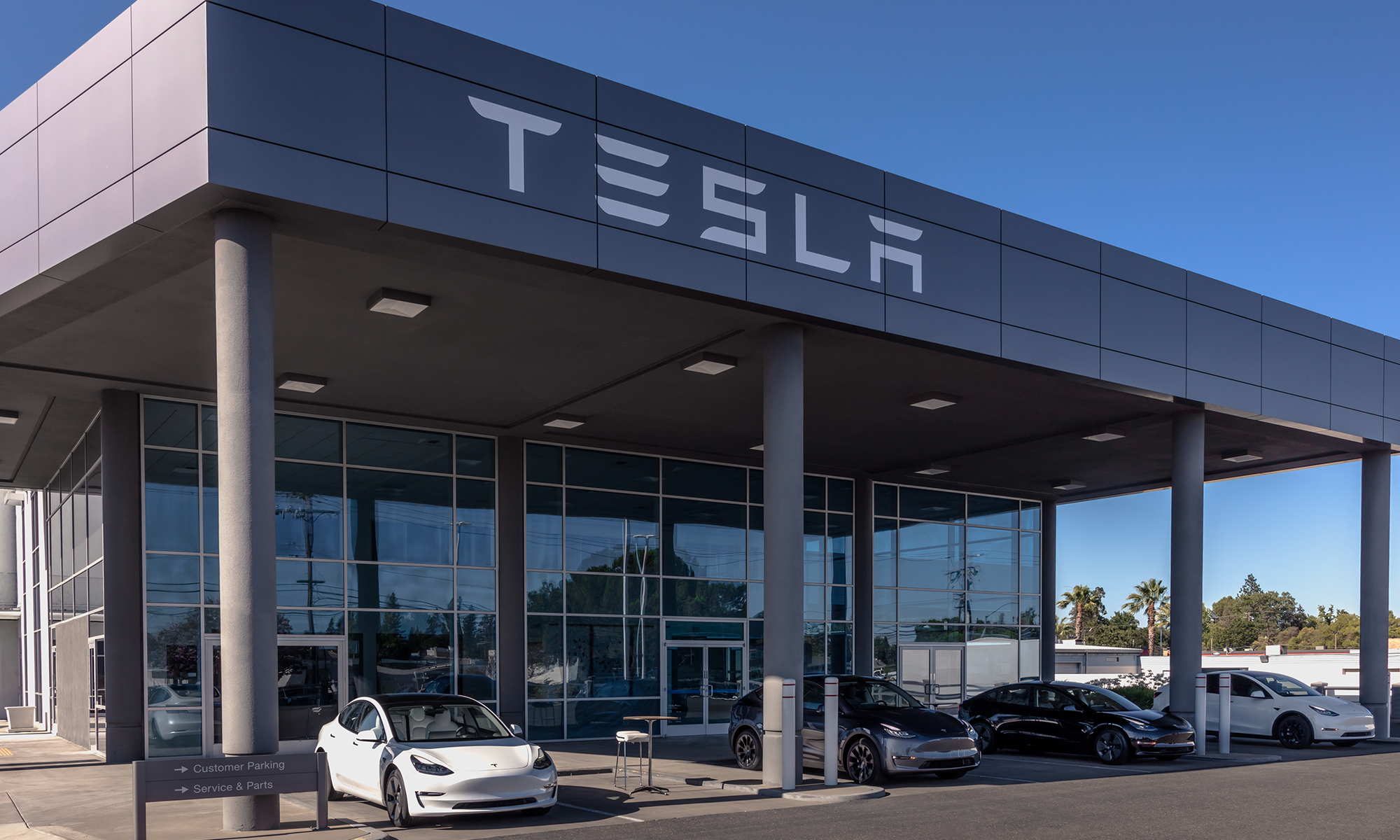
Image source: Tesla.
At the earnings call in January, Tesla’s CFO Vaibhav Taneja projected an increase in capital spending to exceed $20 billion by 2026. However, this estimate was recently revised upwards to an impressive $25 billion during the latest earnings call, marking a notable increase compared to previous years.

Data by YCharts.
This significant increase in spending is not arbitrary; it is strategically planned to operationalize six new factories that are expected to enhance the company’s future profitability.
- A lithium refinery located in Texas, which is currently in the early stages of development.
- A lithium iron phosphate (LFP) battery factory in Nevada, also in early development.
- The production of Cybercab in Texas, which is currently undergoing pilot production.
- The Tesla Semi production facility in Nevada, also in pilot production.
- A new Megafactory in Texas, with large-scale energy storage systems (Megapacks) production expected to commence later this year.
- Optimus production facilities, which are currently under construction in both California and Texas.
In addition to these projects, Tesla is actively collaborating with xAI, SpaceX, and Intel to establish a semiconductor fabrication plant, Terafab, that will manufacture chips specifically for Tesla’s use in Optimus and electric vehicles, including the Cybercab. Consequently, the company’s spending commitments are likely to rise further. Wall Street analysts anticipate a total capital expenditure of $25.6 billion in 2026, followed by projected expenditures of $16 billion and $16.7 billion in the subsequent years. Therefore, Tesla is expected to experience cash burn in 2026 and potentially in 2027, with a return to generating free cash flow (FCF) anticipated by 2028 as operating cash flow begins to cover capital expenditures.

Today’s Change
(0.73%) $2.74
Current Price
$376.46
Essential Data Points for Investors
Market Cap
$1.4T
Day’s Range
$370.86 – $382.75
52wk Range
$270.78 – $498.83
Volume
3.2M
Avg Vol
63M
Gross Margin
19.07%
What Are the Implications of Tesla’s Strategy for Investors?
As the consensus on Wall Street indicates that Tesla is projected to conclude 2026 with approximately $22.5 billion in net cash, the company appears well-positioned to meet its financial commitments. Additionally, the anticipated return to generating free cash flow (FCF) in the latter part of 2027 is expected to provide a positive outlook.
Nonetheless, as Tesla navigates through its substantial capital expenditures and the ongoing uncertainty regarding the timing and scale of robotaxi revenue, investors will closely monitor the trajectory of cash flow in the upcoming years. This cash flow will be influenced, at least in part, by the growth of robotaxi income and, eventually, Optimus, meaning that any delays in revenue generation from these pivotal growth areas could impact the stock price and investors’ expectations regarding cash flow.
However, long-term investors are likely to remain unfazed by short-term fluctuations, recognizing that the primary purpose of capital expenditure is to sustain and expand the business. Given Tesla’s strong net cash position, the company appears capable of achieving both objectives. Still, discussions surrounding its cash flow will significantly influence stock performance in the near term.

Ethan Jameson is a passionate author and financial blogger at Oxford Wise Finance, where he explores a variety of general topics related to finance and personal development. With a keen interest in helping readers navigate the complexities of financial literacy, Ethan combines insightful analysis with practical advice to empower individuals in their financial journeys. He believes in making finance accessible to all and enjoys sharing knowledge that fosters informed decision-making.


