

While achieving another quarter of impressive top-line growth is promising, the reality is that profit margins are tightening, and Nike is experiencing a significant decline in sales within the crucial Chinese market.
Nike (NKE 0.09%) shares took a considerable hit following the release of its fiscal 2026 second-quarter results on Thursday afternoon. This drop in share value can be attributed to the company’s reported decrease in profits alongside yet another challenging quarter in China, which raises concerns among investors.
Nike, a leader in the athletic footwear and apparel industry, offers a diverse range of products from running shoes to performance gear, all under one of the most iconic and recognizable brands globally. Despite the challenges, there were some silver linings in the latest update. Notably, revenue saw a modest increase, a refreshing shift from the 10% year-over-year revenue decline experienced in fiscal 2025. This slight growth trajectory is encouraging, marking the second consecutive quarter of revenue improvement.
However, the overall narrative for Nike is overshadowed by challenges and uncertainty. The pressing question now is whether the decline in share value accurately reflects the company’s ongoing issues and struggles.
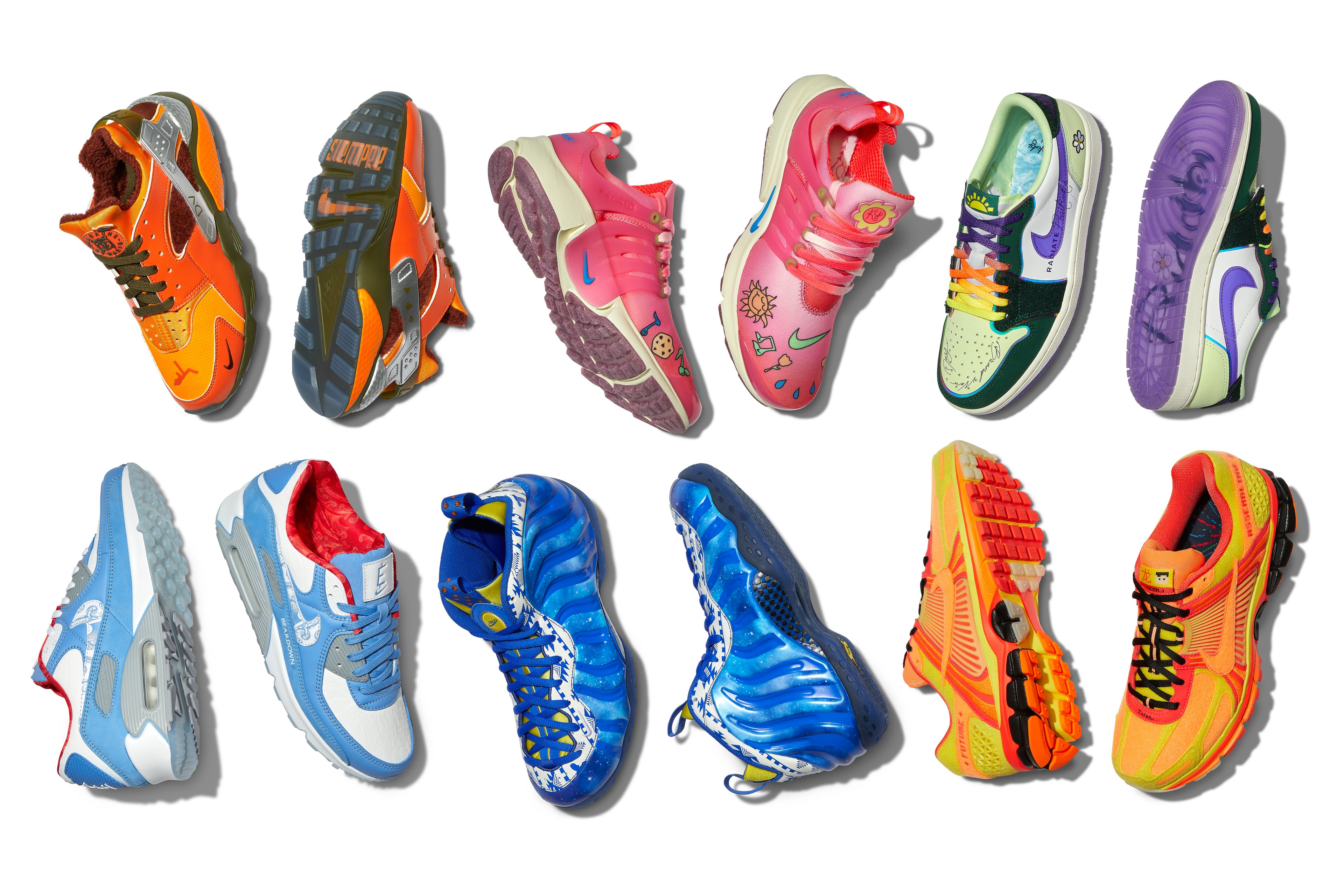
Image source: Nike.
Understanding the Pressure on Nike’s Profit Margins
Nike’s second-quarter revenue experienced a modest rise of 1% year over year, reaching a total of $12.4 billion. This marks a significant improvement compared to the declines that plagued the company throughout the previous fiscal year. Furthermore, this represents the second consecutive quarter of revenue growth, providing evidence that the company’s strategic turnaround efforts may be yielding positive results. In the first quarter of fiscal Q1, revenue also grew by 1%, indicating a potential recovery.
However, the profit margins present a stark contrast to the top-line growth. Nike’s earnings per share plunged by 32% compared to the previous year, and the gross margin diminished by 300 basis points, settling at 40.6%. This decline in profitability raises red flags for investors, signaling that while revenue may be increasing, the underlying cost structure is eroding the bottom line.
Several factors contributed to the deterioration of Nike’s profit picture. Notably, Nike’s spending on “demand creation” surged by 13% year over year, primarily driven by increased marketing expenses. This rise in expenditure highlights the company’s aggressive approach to bolster brand visibility and consumer engagement, but it also places additional strain on profits.
Nike’s CEO, Elliott Hill, emphasized the ongoing journey of recovery for the company. He stated, “NIKE is in the middle innings of our comeback,” during the fiscal second-quarter earnings release. Hill expressed confidence in the strategic actions being implemented to foster long-term growth and profitability for the brand.
Analyzing the Challenges Faced by Nike in the Chinese Market
One of the significant obstacles impacting Nike’s business has been its performance in China. The stock’s decline following the earnings announcement can be attributed, at least in part, to Nike’s struggles in this critical market. In the second quarter, sales in Greater China plummeted by 17%, a stark contrast to the prior quarter’s 9% decline. This trend raises concerns among investors about the sustainability of Nike’s growth in a market that was once a significant driver of revenue.
The situation is particularly troubling as competitors like Lululemon are reporting strong sales growth in China, highlighting the competitive pressures Nike faces. Investors are naturally worried as the company’s previous stronghold in China appears to be slipping away, potentially impacting its future growth trajectory.
Another concerning detail from the report is the decline in Nike’s direct-to-consumer sales. Nike Direct revenue decreased by 8% to $4.6 billion, with digital sales experiencing a notable drop of 14%. This decline is alarming because direct-to-consumer sales typically provide higher profit margins, allowing Nike to retain a larger portion of the sales revenue. This shift in sales dynamics is unfavorable and could adversely affect the company’s overall profit profile.

Today’s Change
(-0.09%) $-0.06
Current Price
$65.63
Essential Market Data for Investors
Market Cap
$97B
Day’s Range
$65.40 – $67.00
52wk Range
$52.28 – $82.44
Volume
36M
Avg Vol
15M
Gross Margin
41.45%
Dividend Yield
2.45%
Unfortunately, management’s guidance did little to alleviate investor concerns. Nike indicated that third-quarter revenue is expected to decline slightly, a particularly worrying forecast given that this period includes the crucial holiday shopping season.
All these factors reinforce the notion that fiscal 2026 remains a transitional year for Nike rather than the beginning of a robust rebound in growth and profitability.
In summary, challenges such as tariffs, weakened demand in China, and a shift away from higher-margin direct sales are issues that investors must take seriously. While there is potential for earnings to recover sharply if the company’s turnaround strategies succeed, the stock currently trades at about 30 times earnings, suggesting that at least moderate success in its recovery plan is already reflected in its valuation.
So, does this pullback present a buying opportunity for Nike shares? Personally, I remain skeptical at this moment. However, I may reconsider my stance if the stock price declines significantly enough to present a clear bargain. As of now, we haven’t reached that point yet.


